What Is the SAP? A Complete Beginner’s Explanation
Enterprises rely on this technology to streamline workflows, centralize data, and improve productivity. As more companies upgrade to S/4HANA, professionals who clearly understand what is SAP—along with finance configuration, procurement setups, custom development, or analytics—become highly valuable. Reliable training helps learners see how the system operates in real business environments, making them job-ready for corporate roles.
Table of Contents
- Quick Overview: What SAP Does
- Why SAP Matters for Businesses and Careers
- Core Modules and Architecture
- Key Technologies and LSI Topics to Learn
- How to Choose SAP Training and Courses
- SAP Career Paths and Industry Demand
- FAQs
- Conclusion
what SAP does
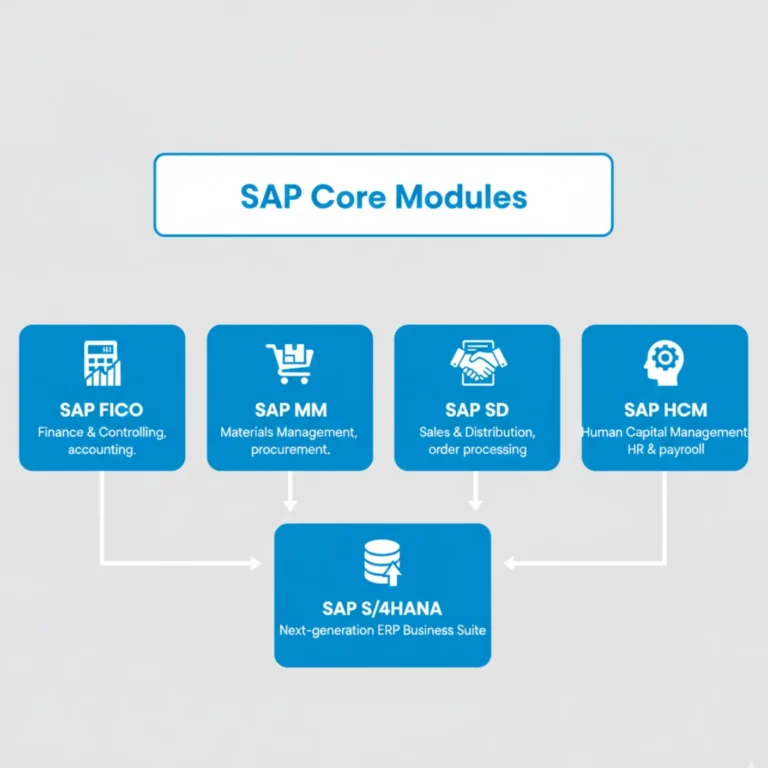
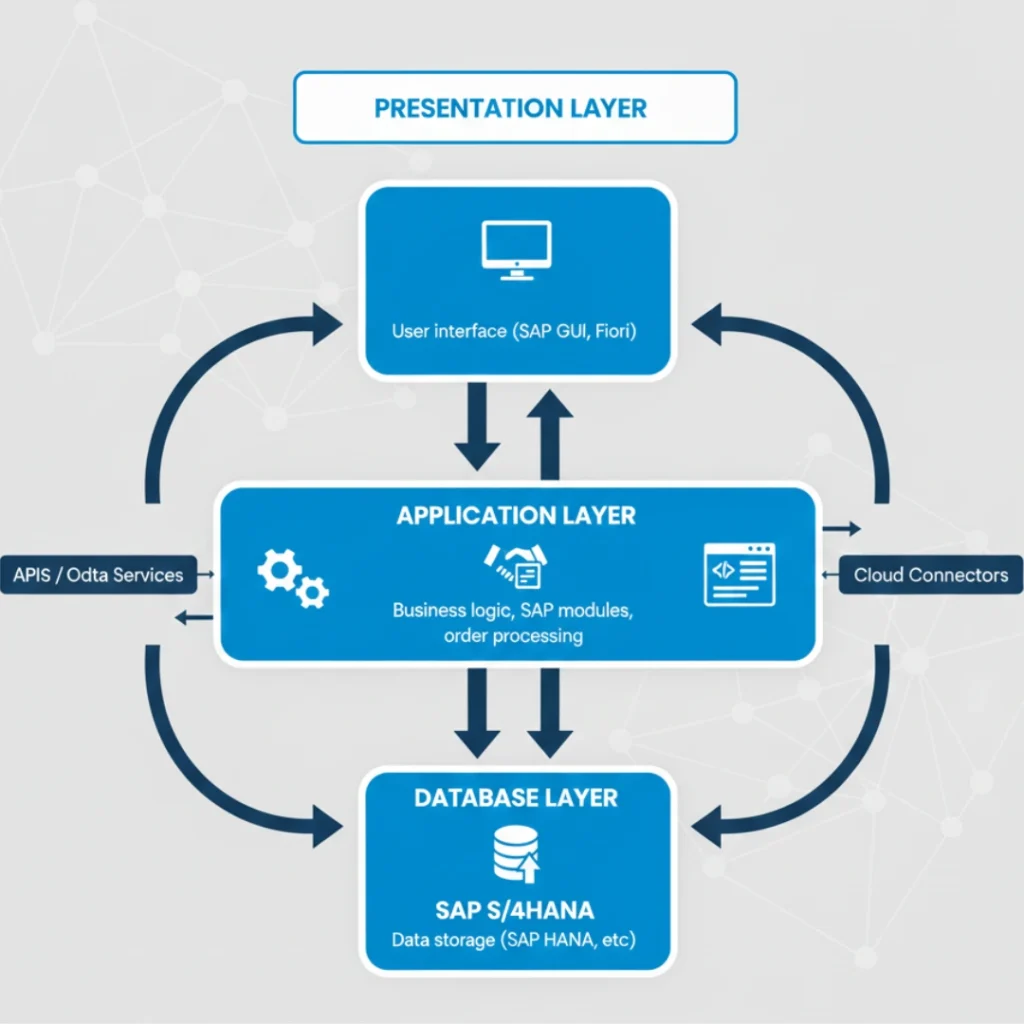
The platform covers major business functions through modules like FICO for financial activities, MM for procurement and inventory, SD for sales cycles, and HCM for workforce operations. S/4HANA supports advanced processing using an in-memory data model. Its architecture consists of three layers: the presentation layer for user interaction, the application layer for processing logic, and the database layer for storing enterprise information.
Institute quality Importance of Choosing Best IT Training Institute).
Why SAP matters for businesses and careers
Across industries, SAP remains a leading enterprise resource planning platform, helping companies automate accounting, procurement, manufacturing, and reporting through its S/4HANA suite. Professionals with hands-on SAP experience in modules like FICO, MM, or ABAP gain stronger job prospects and often receive higher starting packages than general IT roles. As demand for skilled SAP specialists continues to rise, learners are encouraged to choose structured and reliable training supported by credible institutes and verified industry standards.
Key technologies and LSI topics to learn
To build effective skills with SAP, students should combine functional knowledge with technical abilities, including S/4HANA fundamentals, ABAP programming, configuration practices in modules like FICO, system administration through Basis, integration concepts, Fiori interface development, and analytics using BW/4HANA. These topics strengthen understanding of enterprise resource planning and support practical learning paths designed for modern SAP training environments.
Learn about : core modules and architecture?
Core modules and business coverage
SAP covers major functional areas through modules such as
SAP FICO (Finance & Controlling)—accounting, ledgers, and financial reporting.
SAP MM (Materials Management)—procurement and inventory processes.
SAP SD (Sales & Distribution)—order-to-cash and customer billing.
SAP HCM (Human Capital Management)—payroll, HR processes.
SAP S/4HANA—the modern in-memory platform that accelerates analytics and transactions.
How to choose SAP training and courses
A good training program provides updated curriculum, practical assignments, real datasets, and access to a sandbox system where learners can practice configuration tasks. Look for institutes that offer project documentation, knowledgeable trainers, mock interviews, and placement support. Practical exposure, such as building reports or completing integration activities, matters more than just receiving a certificate.
SAP career paths and industry demand
Common roles include Functional Consultant (FICO, MM, SD), Technical Consultant (ABAP or Basis), Analytics Specialist, and Project Coordinator for enterprise implementations. Industries like manufacturing, retail, healthcare, logistics, and finance consistently hire professionals who can support and optimize the platform. Employers value hands-on practice, real project understanding, and system access.
Conclusion
Learning this enterprise technology helps professionals understand how business systems operate at scale. Strong training combined with hands-on practice, sandbox access, and real-world project tasks builds confidence for corporate roles. With consistent effort, learners can develop the expertise needed to start a rewarding career in enterprise management and digital operations.
FAQs
Q1: What is the general duration of SAP training?
Most module-based programs take around 6–12 weeks, while full professional tracks that include hands-on practice and projects usually take 3–9 months depending on the learning depth.
Q2: Do I need programming skills to learn SAP?
No, coding is not required for functional modules. However, technical roles such as ABAP development or integration benefit from knowledge of ABAP, Java, or JavaScript.
Q3: Which SAP module is best for beginners?
FICO and MM are considered beginner-friendly because they are widely used in companies and closely aligned with core business processes.
Q4: Is SAP certification necessary to get a job?
Certification is helpful for credibility, but practical experience, system access, and real project understanding are often more important for securing a job.
Q5: How does SAP S/4HANA differ from earlier versions?
S/4HANA is built on an in-memory database that supports faster processing, simplified data structures, and real-time analytics, making it more efficient than older versions.