SAP FICO Course: Complete Guide for 2025
SAP FICO is one of the most sought-after SAP modules and a strong career path for finance and accounting professionals aiming to step into ERP and enterprise consulting. The SAP FICO Course 2025 teaches you how to efficiently manage financial accounting (FI) and controlling (CO) processes in real-time using SAP S/4HANA and other related tools.
Table of Contents
- What is SAP FICO?
- Why Choose an SAP FICO Course?
- SAP FICO Course Syllabus Overview
- Key Skills You Learn in SAP FICO
- Career Opportunities After SAP FICO Training
- Who Should Enroll in an SAP FICO Course?
- How to Choose the Best SAP FICO Course
- Conclusion
- FAQs on SAP FICO Course
What is SAP FICO?
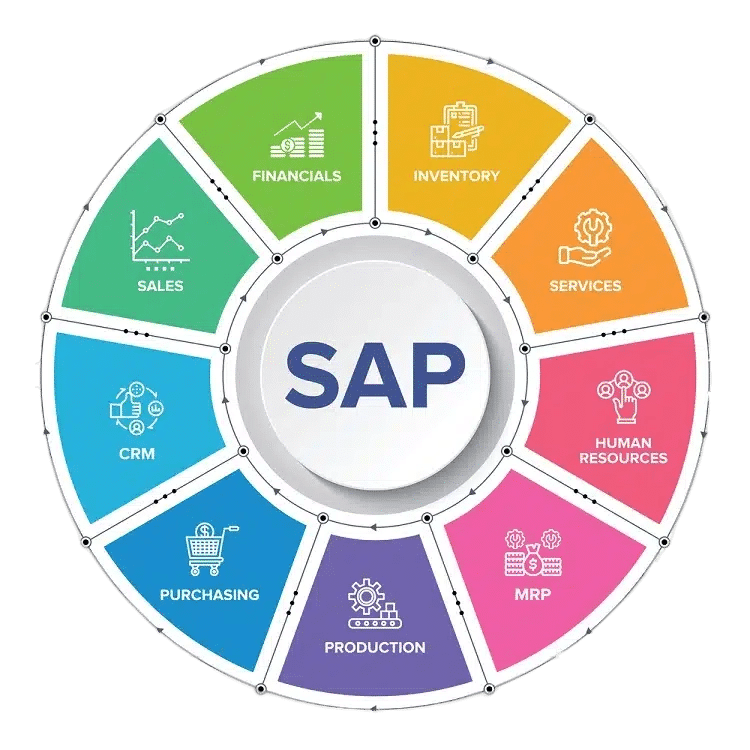
SAP FICO stands for SAP Financial Accounting (FI) and SAP Controlling (CO), the core modules used to record, manage, and analyze an organization’s financial data. The SAP FICO module helps companies maintain accurate financial statements while also tracking internal costs, budgets, and profitability for better decision-making.
Why Choose an SAP FICO Course?
An SAP FICO course is ideal if you want to combine finance domain knowledge with hands-on ERP skills that are valued worldwide. Organizations across industries rely on SAP FICO to integrate financial accounting with sales, materials management, and production, creating a strong demand for trained SAP FICO consultants and end users.
Key reasons to learn SAP FICO:
Strong global demand for SAP FICO professionals in finance, IT services, manufacturing, and consulting.
Attractive salary packages and growth paths such as SAP FICO consultant, SAP S/4HANA Finance consultant, and business analyst.
- Opportunity to
work on digital transformation projects using S/4HANA, Fiori, and cloud-based finance systems
For more inspiration on IT career planning and different IT courses in India, you can explore this helpful external guide on starting an IT career in 2025: Best Course in India.
SAP FICO Course Syllabus Overview
Most SAP FICO course structures are divided into SAP FI and SAP CO modules, often aligned with S/4HANA Finance. While exact topics vary by institute, a typical SAP FICO course syllabus for beginners covers the sections below.
Core SAP FI topics:
Introduction to ERP & SAP, system navigation, and FICO integration with other modules like MM and SD.
Enterprise structure: company, company code, business area, credit control area setup and assignment.
General Ledger Accounting: chart of accounts, G/L master data, posting transactions, reversals, recurring entries, and reporting.
Accounts Payable (AP): vendor master, invoice posting, payment processes, and Automatic Payment Program configuration.
Accounts Receivable (AR): customer master, dunning, incoming payments, cash discounts, and AR reports.
Asset Accounting: asset master, depreciation areas, acquisitions, retirements, transfers, and asset reports.
Bank Accounting: house bank setup, bank statements, and reconciliation processes.
Tax and financial reporting: GST/VAT configuration, withholding tax, balance sheet, and Profit & Loss statements.
Core SAP CO topics:
Cost Element Accounting: classification of primary and secondary costs and revenues.
Cost Center Accounting: cost center creation, hierarchy, planning, budgeting, and actual vs planned reports.
Internal Orders: order creation, budgeting, monitoring, and settlement.
Profit Center Accounting: profit center setup, segment reporting, and transfer pricing concepts.
Product Cost Controlling and profitability analysis (CO-PA) fundamentals.
Many modern SAP FICO courses also introduce S/4HANA Finance, Fiori apps, integration with MM/SD, and basics of SAP cloud deployments.
Key Skills You Learn in SAP FICO :
By completing an SAP FICO course, you gain both functional finance knowledge and SAP configuration skills. This combination helps you support or implement end-to-end finance processes in SAP environments.
Important skills include:
Configuring company codes, chart of accounts, and financial accounting settings.
Handling end-to-end processes for AP, AR, asset accounting, bank accounting, and tax.
Setting up cost centers, internal orders, and profit centers to track and analyze costs and profitability.
Performing period-end closing, financial reporting, and basic integration with logistics modules like MM and SD.
Career Opportunities After SAP FICO Training:
After an SAP FICO course, learners can target roles in both IT and core finance domains. Job titles vary depending on experience, domain background, and exposure to S/4HANA.
Popular roles include:
SAP FICO Consultant or SAP Finance Consultant handling implementations and support.
SAP S/4HANA Finance Consultant focusing on new implementations and migration projects.
SAP End User in finance and controlling functions in enterprises using SAP ERP.
Business Analyst or Finance Process Analyst working between finance teams and IT.
Demand is strong in IT services companies, shared service centers, manufacturing, retail, banking, and consulting firms that rely on SAP-based financial systems.
Who Should Enroll in an SAP FICO Course?
SAP FICO training is suitable for a wide range of profiles, especially those with an interest in finance and business processes. In many institutes, no programming knowledge is required because SAP FICO is a functional module.
Ideal candidates include:
B.Com, M.Com, BBA, MBA (Finance), CA, CMA, or other commerce and finance graduates.
Working professionals in accounting, auditing, taxation, or financial analysis who want to move into SAP consulting.
IT professionals who wish to switch into functional consulting with a finance focus.
How to Choose the Best SAP FICO Course (choose SAP FICO training)
When selecting an SAP FICO course, focus on real-time learning, updated syllabus, and placement support rather than just low fees. A good training program should align with current S/4HANA trends and industry expectations.
Key points to check:
Syllabus coverage of both FI and CO modules, with S/4HANA Finance and integration topics.
Hands-on practice with live SAP servers, real-time projects, and case studies.
Trainer experience in actual SAP implementation projects and support work.
Certification guidance and interview preparation for SAP FICO roles.
If you are exploring structured IT and SAP training options, you can also look at providers like Future Labs Technology for broader IT and ERP-related learning opportunities: Future labs technology.
Conclusion
An SAP FICO course is a smart investment for anyone who wants a stable, high-growth career at the intersection of finance and technology. By mastering financial accounting and controlling in SAP, you gain skills that are relevant across industries and geographies, especially in organizations adopting SAP S/4HANA for digital finance transformation.
FAQs on SAP FICO Course .
1. What is the duration of a typical SAP FICO course?
Most SAP FICO training programs range from about 4 to 12 weeks depending on whether they are instructor-led, self-paced, weekend, or fast-track batches. Some institutes may extend the duration if they include additional project work or certification preparation.
2. Do I need programming knowledge for an SAP FICO course?
No, SAP FICO is a functional module, so programming skills like ABAP are not mandatory. Basic knowledge of accounting principles and comfort with computers is usually enough to start an SAP FICO course.
3. Is SAP FICO still in demand with S/4HANA?
Yes, SAP FICO remains highly relevant because S/4HANA Finance builds on the same core financial and controlling concepts, with enhanced real-time reporting and simplified data models. Many organizations are upgrading to S/4HANA, which increases the need for consultants who understand both classic FICO and S/4HANA features.
4. What salary can a fresher expect after completing an SAP FICO course?
Entry-level salaries vary by country, company, and prior experience, but SAP FICO-certified or well-trained freshers typically earn more than standard accounting roles in many markets. With 2–3 years of project experience, pay packages can increase significantly, especially in large IT and consulting firms.
5. Is SAP FICO suitable for non-finance graduates?
Non-finance graduates can learn SAP FICO, but they may need to put extra effort into understanding accounting fundamentals. Candidates with some business or finance exposure usually find it easier, but institutes often cover basic accounting at the beginning of the SAP FICO course.