Which SAP Course Is Best? A Practical Guide to Choosing the Right Path for Your Career
Choosing the right enterprise technology program can be confusing, especially when multiple options promise strong career growth. For many aspirants and working professionals, the key question often becomes Which SAP course is best for long-term stability and real industry demand. When selected carefully, the right learning path can open doors to high-paying roles across finance, supply chain, HR, and analytics.
Moreover, with organizations rapidly adopting intelligent ERP systems, skill-based learning has become more valuable than theoretical education. Therefore, understanding available modules, career scope, and job alignment is essential before making a decision.
Table of Contents
- Introduction
Why Choosing the Right SAP Learning Path Matters
Which SAP Course Is Best for Freshers?
Which SAP Course Is Best for Finance Professionals?
Which SAP Course Is Best for Supply Chain & Operations Roles?
How Global Certification Impacts Career Growth
How to Choose the Right Training Institute
Conclusion
Frequently Asked Questions (FAQs)
Why Choosing the Right SAP Learning Path Matters
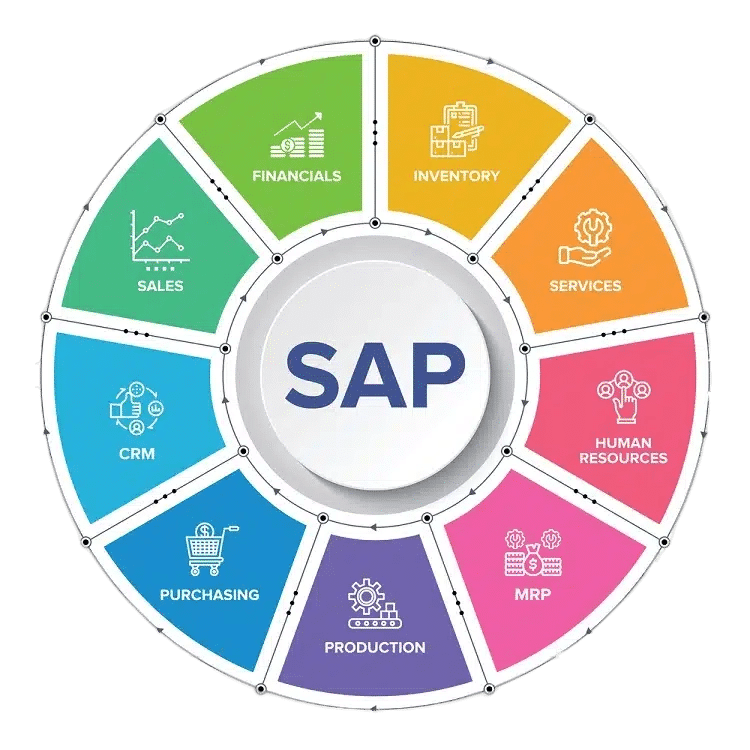
Before enrolling in any professional program, clarity of career goals is essential. ERP platforms support multiple business functions, and each specialization serves a different industry requirement. As a result, choosing randomly can lead to skill mismatch and slower growth.
Additionally, recruiters now prefer professionals with focused expertise rather than generic knowledge. For this reason, selecting the right specialization aligned with your background ensures better job opportunities and faster progression.
Which SAP Course Is Best for Freshers Starting Their Career
For fresh graduates and career switchers, functional modules often provide the strongest entry point. These programs focus on understanding business processes rather than deep technical configuration.
Popular beginner-friendly options include finance, materials management, and sales distribution modules. These areas are widely used across industries, making them suitable for first-time learners.
At this stage, practical exposure and structured guidance matter more than theory. Institutes like Future Labs Technology offer industry-aligned training that helps beginners build confidence through real-time project scenarios. You can explore foundational learning paths through their official platform Future Labs Technology home page
Which SAP Course Is Best for Finance and Accounting Professionals
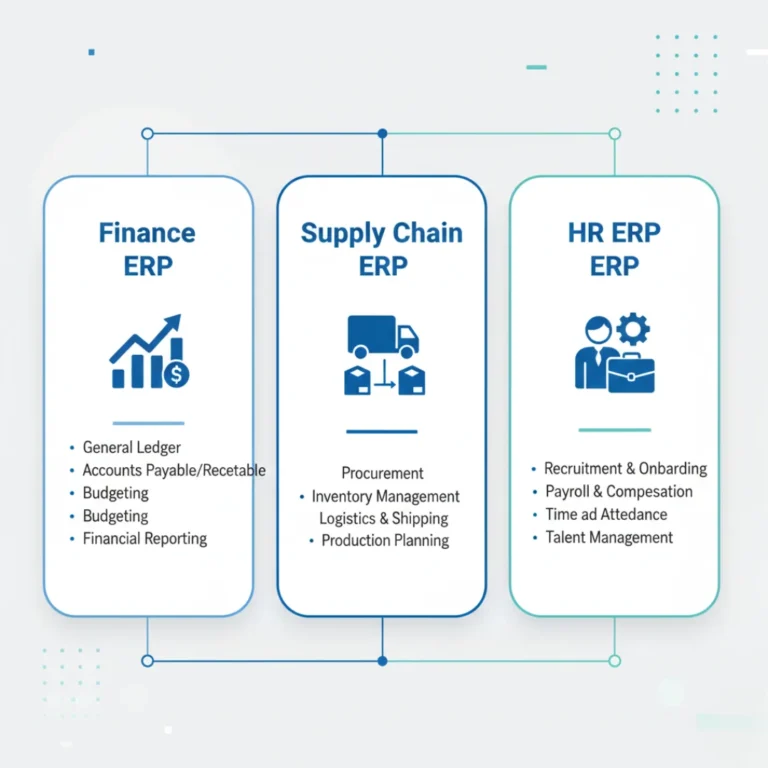
Professionals with a background in commerce, accounting, or finance often benefit most from finance-oriented ERP modules. These programs focus on financial reporting, controlling, asset accounting, and compliance.
Because financial systems are critical for every organization, demand for skilled professionals in this domain remains consistent. Additionally, these roles often offer better stability and international exposure.
To strengthen credibility further, pursuing a globally recognized ERP certification adds value to your profile. You can learn more about structured certification paths here:
SAP Global Certification programs
Which SAP Course Is Best for Supply Chain and Operations Roles
Candidates with experience in logistics, procurement, or operations management often prefer supply-chain-focused modules. These programs cover inventory management, vendor coordination, production planning, and demand forecasting.
Since manufacturing, retail, and e-commerce sectors rely heavily on efficient supply chains, professionals with these skills remain in high demand. Moreover, real-world process optimization experience makes these roles both challenging and rewarding.
For learners exploring broader IT skill development trends, this external insight may be helpful skill development in IT careers
How Global Certification Impacts Career Growth
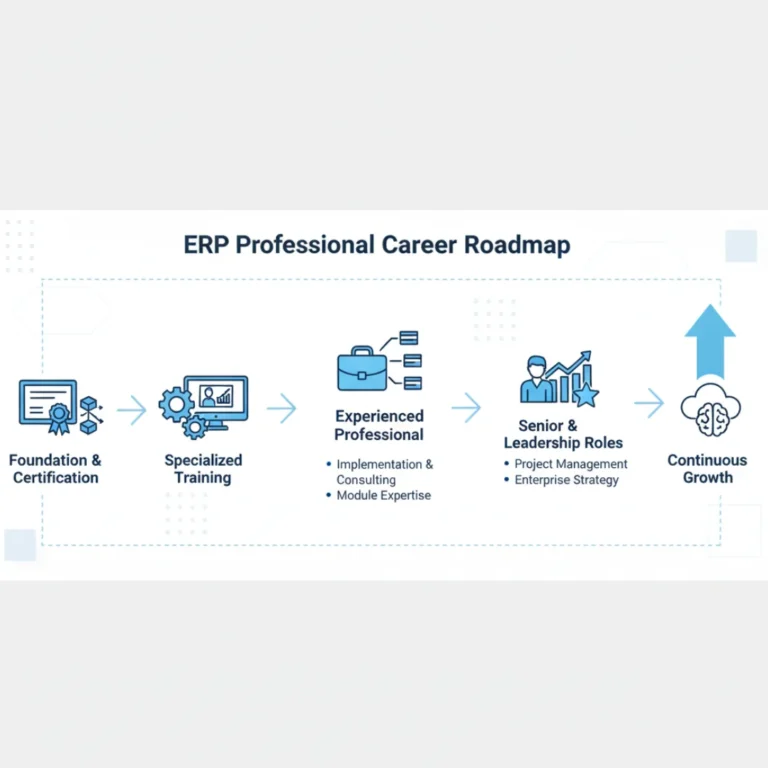
Certification acts as proof of structured learning and practical competence. While skills matter most, verified credentials often help candidates stand out during hiring.
In addition, certified professionals are more likely to qualify for international projects, consulting roles, and leadership positions. For this reason, certification should be viewed as a long-term investment rather than a short-term goal.
How to Choose the Right Training Institute
Even the best learning path delivers results only when taught correctly. Therefore, selecting the right institute is just as important as choosing the module.
Key factors to evaluate include:
Industry-relevant curriculum
Hands-on project exposure
Experienced trainers
Certification support
Placement assistance
Institutes that combine technical depth with career guidance help learners transition smoothly into professional roles. For detailed program structures and expert mentorship, visit Future Labs Technology official website
Conclusion
Choosing the right learning path can shape your professional future for years to come. When evaluated carefully, the answer to Which SAP course is best depends on your background, career goals, and industry preference. Rather than following trends blindly, aligning skills with market demand ensures sustainable growth.
With the right training, certification, and guidance, professionals can unlock high-value roles across multiple sectors. As enterprises continue to invest in intelligent ERP systems, skilled professionals will remain indispensable in the evolving digital economy.
(FAQs)
1. Which SAP course is best for beginners with no technical background?
Functional modules are generally more suitable, as they focus on business processes rather than coding.
2. Can non-commerce students pursue ERP finance modules?
Yes, with proper training and practice, graduates from other streams can also succeed.
3. Does certification really matter for career growth?
Yes, certification improves credibility and increases eligibility for better opportunities.
4. How long does it take to complete an SAP course?
Depending on the module and learning mode, it usually takes 6–12 weeks.
5. Is placement support important while choosing an institute?
Absolutely. Placement assistance bridges the gap between learning and employment.