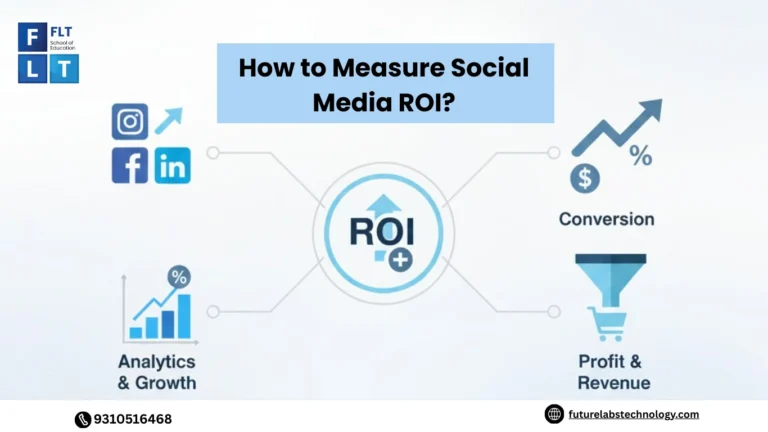
How to Measure Social Media ROI?
Did you hear how the global human population crossed 8 billion by the end of 2022? If you found that surprising, wait till you hear this: about half of this population is a verifiedsocial media user. best digital Marketing Institute in delhi NCR
We’re not kidding; this Hootsuite report mentions how there are about 4.48 billion social media users in the world today. It also claims that 93% of the total internet users are on some or the other social media platform.
The growing popularity of social media platforms among netizens has made them the hotspot for businesses and brands to establish a connection with their target audience. As you can imagine, it has led to more businesses hiring a social media manager for their marketing team.
However, the problem arises when these managers are asked to show the ROI of their marketing efforts. Is the ROI for these platforms measurable? If so, how? These are the questions we aim to answer in this blog. Let’s get started!
Table of Contents
The Importance of Measuring Social Media ROI
What Is Social Media ROI?
Measuring Social Media ROI: A Step-by-Step Process
Step 1: Clearly Defining Your Goals
Step 2: Using Website Analytics to Measure Social Media Impact
Step 3: Tracking Social Media Metrics Closely
Your Journey to Becoming a Certified Social Media Marketer Starts Here
Conclusion
Frequently Asked Questions (FAQs)
The Importance of Measuring Social Media ROI
Social media ROI is similar to any other form of return on investment. It refers to the tangible value your business gains from the time, money, and resources invested in social media marketing activities.
Just like any other marketing channel, businesses naturally want to quantify the profit generated through social media. This measurement helps decision-makers allocate budgets more efficiently and justify marketing spends.
Additionally, measuring social media ROI allows brands to analyze the effectiveness of their campaigns and strategies. Understanding what resonates with the audience and what fails to create impact helps marketing teams refine their approach and plan better campaigns in the future.
Before moving further, here is the commonly used formula to calculate ROI:
Social Media ROI = (Profit Generated from Social Media / Investment in Social Media) × 100
Measuring Social Media ROI: A Step-by-Step Process
Any brand that has worked with a social media marketer understands that calculating ROI is not always straightforward. One of the main reasons is that social media returns are not always purely financial. Brand awareness, trust, and customer loyalty are valuable outcomes, yet they are difficult to quantify.
To simplify this process, the following step-by-step method can help marketers measure their social media ROI more effectively.
Step 1- Clearly Defining Your Goals
The first and most crucial step is defining what you want to achieve through social media marketing. These objectives serve as benchmarks against which ROI can be evaluated.
Although brand awareness is often the primary goal, relying on it alone makes ROI measurement difficult. Therefore, setting specific and measurable goals is essential. Examples include:
-
Increasing the number of followers
-
Improving engagement levels
-
Generating newsletter sign-ups
-
Achieving higher click-through rates
Clear goals make it easier to track performance and assess success accurately.

Step 2- Using Website Analytics to Measure Social Media Impact
No matter the type of organization—consultancy, e-commerce store, or non-profit—your website remains the core of your online presence. Most conversions eventually happen there.
Driving traffic to your website is a key objective of social media marketing, and this can be measured using tools such as Google Analytics. The platform provides detailed insights into traffic coming from social media channels.
By analyzing this data, marketers can compare overall website traffic with social media-driven visits and evaluate how effectively social media contributes to business goals.
Step- 3 Tracking Social Media Metrics Closely
Each social media platform offers built-in analytics tools to measure performance. Monitoring these key metrics helps marketers understand how content is performing.
Reach and Impressions
These metrics show how many unique users have seen your content. Higher reach indicates stronger visibility and brand exposure.
Engagement Metrics
Engagement reflects how users interact with your content. Likes, comments, shares, and saves indicate how appealing and relevant your content is to the audience.
Audience Demographics
Analytics tools also provide insights into audience demographics such as age, location, gender, and interests. This information helps brands refine their content strategy and attract the right audience.
Bonus Tip: If you run influencer marketing campaigns, tracking influencer-specific metrics can provide deeper insights into campaign performance.

Your Journey to Becoming a Certified Social Media Marketer Starts Here
We hope the steps outlined above help social media marketers overcome the challenge of measuring ROI effectively. At the same time, this guide aims to inspire beginners who are exploring social media marketing as a career option.
While a specific degree may not be mandatory to enter this field, a professional certification can significantly enhance your skills and credibility. The social media marketing certification offered by Future Labs Technology has helped many learners secure jobs and freelancing opportunities within a short period.
If you are serious about building a career in digital marketing, exploring structured training from Future Labs Technology can be a valuable next step.
Conclusion
Measuring social media ROI may seem complex at first, but with clearly defined goals, consistent tracking, and the right analytical tools, it becomes manageable. Understanding both tangible and intangible returns allows businesses to make smarter decisions and improve campaign performance over time.
By following a structured approach, marketers can confidently demonstrate the value of their efforts and contribute meaningfully to business growth.
(FAQs)
1. Why is social media ROI difficult to measure?
Because social media outcomes often include non-financial benefits such as brand awareness and customer trust.
2. Which tools help measure social media ROI?
Google Analytics and built-in platform analytics tools are commonly used.
3. Is engagement more important than reach?
Both are important, but engagement indicates stronger audience interest.
4. How often should social media ROI be measured?
Ideally, it should be reviewed monthly or after major campaigns.
5. Can small businesses benefit from tracking social media ROI?
Yes, ROI tracking helps businesses of all sizes optimize budgets and strategies.