
Understanding SAP MM The Backbone of Modern Procurement & Inventory Management
In today’s technology-driven business environment, organisations need streamlined processes for purchasing, material handling, and stock control. Understanding SAP MM helps professionals and businesses design stronger procurement cycles, reduce operational delays, and build efficient inventory workflows. With rising demand for skilled talent, this module continues to hold a central position in enterprise operations, and learning it opens doors to promising career opportunities.
Table of Contents
-
Overview of the Material Management Module
-
Importance of MM in Digital-First Businesses
-
Key Components and Functional Structure
-
Procurement Cycle Explained
-
Inventory Management in Real-World Operations
-
Integration With Other Modules
-
Career Scope and Industry Adoption
-
How to Choose the Right Training Program
-
Conclusion
-
Frequently Asked Questions (FAQs)
Overview of Understanding SAP MM in Modern Enterprises
Companies rely on stable systems for handling materials, purchases, and internal stock transfers. This module ensures every activity—from supplier communication to goods posting—is executed smoothly. As organisations continue shifting toward fully automated operations, the demand for professionals with hands-on knowledge of purchasing workflows has significantly increased. Moreover, aligning business processes with global supply standards becomes easier when MM structures are implemented correctly.
Importance of MM in Digital-First Businesses
Smooth procurement keeps businesses competitive. When companies manage vendor relationships, purchase orders, and goods movement through a unified system, their operational efficiency increases. Additionally, decision-makers gain greater control over real-time data, helping them forecast demand and maintain accurate stock levels. You can also learn more about how the right training institute impacts skill development through this detailed guide on choosing the best IT training institute
Key Components and Functional Structure
Understanding SAP MM Components and Their Role
This module consists of several structured elements designed to simplify and automate purchasing processes. Its components include purchasing, vendor management, consumption-based planning, and valuation. Although each part functions independently, together they create a strong foundation for business operations.
Master Data and Material Classification
Master data includes details related to vendors, materials, and service providers. When organised properly, it supports accurate decision-making across departments. Additionally, material classification helps categorise products, improving retrieval and tracking during production, warehousing, and distribution.
Procurement Cycle Explained
Understanding SAP MM in the Purchase Process
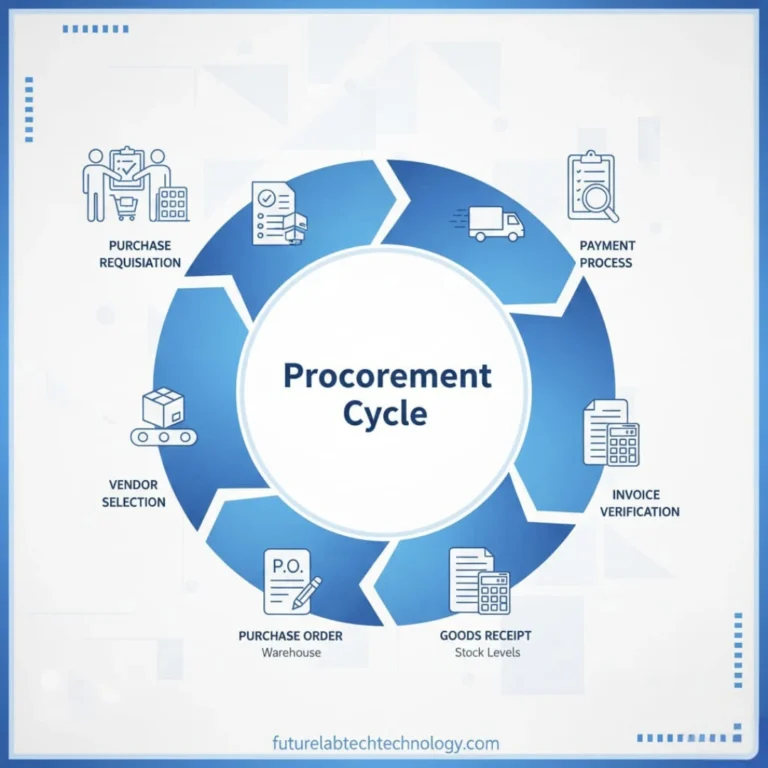
The procurement cycle involves several steps: purchase requisition, vendor selection, order processing, goods receipt, invoice verification, and final payment. When the cycle is automated, businesses experience fewer delays, better supplier coordination, and stronger compliance. Readers who want structured training can explore professional guidance through this education and career resource platform
Inventory Management in Real-World Operations
Inventory activities include issuing materials, transferring stock, updating quantities, and adjusting discrepancies. When organisations track these movements accurately, they minimise wastage and eliminate supply chain disruptions. Moreover, using this system ensures transparency across departments, making it easier to identify stock requirements in advance.
Integration With Other Modules
How Grasping SAP MM Aids Interdepartmental Groups
This system links seamlessly with manufacturing scheduling, sales fulfilment, financial oversight, and inventory storage. These connections allow companies to operate uniformly, hold precise expense tracking, and guarantee supplies arrive where needed when needed.
Career Scope and Industry Adoption
Professionals skilled in material management gain opportunities across manufacturing, retail, logistics, pharmaceuticals, and IT consulting. As businesses favour applicants knowledgeable in automated purchasing workflows and stock management, the worldwide need keeps increasing. Furthermore, seasoned experts frequently transition into positions like advisors, analysts, and logistics managers.

How to Choose the Right Training Program
Choosing a training centre that offers hands-on practice, real-time projects, and placement guidance is essential. The institute should also provide up-to-date course modules aligned with industry requirements, practical case studies, and expert support. Readers looking for structured and career-focused learning can explore this detailed technology training platform.
Conclusion
Digital-ready companies rely heavily on efficient procurement, supplier collaboration, and transparent inventory operations. Understanding SAP MM plays a crucial role in modern businesses. By learning the system strategically, students and professionals can enhance their job prospects and contribute to organisational growth. Given significant industry need and real-world uses in various fields, becoming proficient in this unit stands out as a highly beneficial choice for professional progress.
FAQ’s
1. What is the core aim of the MM unit?
Its central goal is to simplify purchasing and stock management while ensuring data precision and smooth operational flow.
2. Which individuals can pursue MM training for career enhancement?
Students, working professionals, supply chain executives, and those planning to join enterprise management roles can benefit from learning it.
3. Does the module support inventory tracking?
Yes, inventory tracking is one of its strongest features, helping organisations manage stock movements and maintain proper quantity levels.
4. How does it help improve business operations?
It reduces manual effort, accelerates procurement cycles, enhances vendor coordination, and improves overall inventory accuracy.
5. What industries hire professionals in this field?
Manufacturing, retail, logistics, IT consulting, pharmaceuticals, and e-commerce frequently hire candidates with relevant skills.
Really insightful post — Your article is very clearly written, i enjoyed reading it, can i ask you a question? you can also checkout this newbies in classied. iswap24.com. thank you